How to-Survival-Preparedness-Emergency kits come in many shapes and prices.
It depends on what you want to have in the emergency kit. Always be prepared for as many types of misfortune as possible.
The proper supplies and equipment could be anything from a flashlight to a weeks worth of a boxed supply of food.What you would truly need in the event of a disaster depends on the type of emergency.

Here is a sample list of some things you might need. Http://Survival2Emergency.blogspot.com
Also we want you to know the Red Cross 10 steps to help for emergency preparedness
10 Steps to Emergency Preparedness
1. Know what kinds of emergencies could happen in your area and consider what your neighborhood might look like after one happens.survey
2. Complete a personal assessment. Think about what you will be able to do and what assistance you may need before, during, and after an emergency.
3. Make your own support group of family, friends, relatives, neighbors, roommates, care providers, and people you work with who could help you in an emergency.
4. Make an emergency information list so others will know whom to call if they find you unconscious, unable to speak, or if they need to help you leave your home quickly.
5. Make a medical information list with the names and phone numbers of your doctors, your medications, how much you take, and your medical conditions. Write down what special equipment you use, your allergies, and any communication difficulties you have.
- See more at: http://preparedness.com/10stepemerg.html#sthash.seDxCwG0.dpuf
1. Know what kinds of emergencies could happen in your area and consider what your neighborhood might look like after one happens.survey
2. Complete a personal assessment. Think about what you will be able to do and what assistance you may need before, during, and after an emergency.
3. Make your own support group of family, friends, relatives, neighbors, roommates, care providers, and people you work with who could help you in an emergency.
4. Make an emergency information list so others will know whom to call if they find you unconscious, unable to speak, or if they need to help you leave your home quickly.
5. Make a medical information list with the names and phone numbers of your doctors, your medications, how much you take, and your medical conditions. Write down what special equipment you use, your allergies, and any communication difficulties you have.
- See more at: http://preparedness.com/10stepemerg.html#sthash.seDxCwG0.dpuf
10 Steps to Emergency Preparedness
1. Know what kinds of emergencies could happen in your area and consider what your neighborhood might look like after one happens.survey
2. Complete a personal assessment. Think about what you will be able to do and what assistance you may need before, during, and after an emergency.
3. Make your own support group of family, friends, relatives, neighbors, roommates, care providers, and people you work with who could help you in an emergency.
- See more at: http://preparedness.com/10stepemerg.html#sthash.GBwRLsiY.dpuf
1. Know what kinds of emergencies could happen in your area and consider what your neighborhood might look like after one happens.1. Know what kinds of emergencies could happen in your area and consider what your neighborhood might look like after one happens.survey
2. Complete a personal assessment. Think about what you will be able to do and what assistance you may need before, during, and after an emergency.
3. Make your own support group of family, friends, relatives, neighbors, roommates, care providers, and people you work with who could help you in an emergency.
- See more at: http://preparedness.com/10stepemerg.html#sthash.GBwRLsiY.dpuf
2. Complete a personal assessment. Think about what you will be able to do and what assistance you may need before, during and after an emergency.
3. Make your own support group of family, friends, relatives, neighbors, roommates, care providers, and people you work with who could help you in an emergency.
4. Make an emergency information list so others will know whom to call if they find you unconscious, unable to speak or if they need to help you leave your home quickly.
5. Make a medical information list with the names and phone numbers of your doctors, your medications, how much you take, and your medical conditions. Write down what special equipment you use, your allergies, and any communication difficulties you have.
6. Try to keep a seven-day supply of medications with you and fill your prescriptions as early as you can. Ask your doctor or pharmacist what you should do if you can’t get more right away.
If you get treatments at a clinic or hospital, ask the person who helps you what to do if you can’t get your treatments during an emergency.
7. Install at least one smoke alarm on each floor in your home and test them every month. Know where the main utility cutoff valves are and learn how and when to disconnect them during an emergency. Know evacuation routes and safe places to go during an emergency.
8. Fill out a summary checklist to make sure that your emergency plan covers every problem you might have.
9. Keep an emergency food supply kit in your home, emergency car kit, workplace or anywhere you spend your time. Include food, water, a first aid kit, adaptive equipment, batteries and emergency supplies for your pets or service animals.
10. Make your home or office safer by checking hallways, stairwells, doorways, windows, and other areas for problems that may keep you from safely leaving a building during an emergency. Secure or remove furniture that may block your path.
Source: American Red Cross (2007). Disaster Preparedness Information. Retrieved November 2008, from http://www.prepare.org/index.htm. Steps to take for emergency preparedness
1.
Know what kinds of emergencies could happen in your area and consider
what your neighborhood might look like after one happens.survey
2. Complete a personal assessment. Think about what you will be able to do and what assistance you may need before, during, and after an emergency.
3. Make your own support group of family, friends, relatives, neighbors, roommates, care providers, and people you work with who could help you in an emergency.
4. Make an emergency information list so others will know whom to call if they find you unconscious, unable to speak, or if they need to help you leave your home quickly.
5. Make a medical information list with the names and phone numbers of your doctors, your medications, how much you take, and your medical conditions. Write down what special equipment you use, your allergies, and any communication difficulties you have.
- See more at: http://preparedness.com/10stepemerg.html#sthash.seDxCwG0.dpuf
2. Complete a personal assessment. Think about what you will be able to do and what assistance you may need before, during, and after an emergency.
3. Make your own support group of family, friends, relatives, neighbors, roommates, care providers, and people you work with who could help you in an emergency.
4. Make an emergency information list so others will know whom to call if they find you unconscious, unable to speak, or if they need to help you leave your home quickly.
5. Make a medical information list with the names and phone numbers of your doctors, your medications, how much you take, and your medical conditions. Write down what special equipment you use, your allergies, and any communication difficulties you have.
- See more at: http://preparedness.com/10stepemerg.html#sthash.seDxCwG0.dpuf
10 Steps to Emergency Preparedness
1. Know what kinds of emergencies could happen in your area and consider what your neighborhood might look like after one happens.survey
2. Complete a personal assessment. Think about what you will be able to do and what assistance you may need before, during, and after an emergency.
3. Make your own support group of family, friends, relatives, neighbors, roommates, care providers, and people you work with who could help you in an emergency.
4. Make an emergency information list so others will know whom to call if they find you unconscious, unable to speak, or if they need to help you leave your home quickly.
5. Make a medical information list with the names and phone numbers of your doctors, your medications, how much you take, and your medical conditions. Write down what special equipment you use, your allergies, and any communication difficulties you have.
6. Try to keep a seven-day supply of medications with you and fill your prescriptions as early as you can. Ask your doctor or pharmacist what you should do if you can’t get more right away. If you get treatments at a clinic or hospital, ask the person who helps you what to do if you can’t get your treatments during an emergency.
7. Install at least one smoke alarm on each floor in your home and test them every month. Know where the main utility cutoff valves are and learn how and when to disconnect them during an emergency. Know evacuation routes and safe places to go during an emergency.
8. Fill out a summary checklist to make sure that your emergency plan covers every problem you might have.
9. Keep an emergency supply kit in your home, car, workplace, or anywhere you spend your time. Include food, water, a first aid kit, adaptive equipment, batteries, and supplies for your pets or service animals.
10. Make your home or office safer by checking hallways, stairwells, doorways, windows, and other areas for problems that may keep you from safely leaving a building during an emergency. Secure or remove furniture that may block your path.
Source: American Red Cross (2007). Disaster Preparedness Information. Retrieved November 2008, from http://www.prepare.org/index.htm.
- See more at: http://preparedness.com/10stepemerg.html#sthash.seDxCwG0.dpuf
1. Know what kinds of emergencies could happen in your area and consider what your neighborhood might look like after one happens.survey
2. Complete a personal assessment. Think about what you will be able to do and what assistance you may need before, during, and after an emergency.
3. Make your own support group of family, friends, relatives, neighbors, roommates, care providers, and people you work with who could help you in an emergency.
4. Make an emergency information list so others will know whom to call if they find you unconscious, unable to speak, or if they need to help you leave your home quickly.
5. Make a medical information list with the names and phone numbers of your doctors, your medications, how much you take, and your medical conditions. Write down what special equipment you use, your allergies, and any communication difficulties you have.
6. Try to keep a seven-day supply of medications with you and fill your prescriptions as early as you can. Ask your doctor or pharmacist what you should do if you can’t get more right away. If you get treatments at a clinic or hospital, ask the person who helps you what to do if you can’t get your treatments during an emergency.
7. Install at least one smoke alarm on each floor in your home and test them every month. Know where the main utility cutoff valves are and learn how and when to disconnect them during an emergency. Know evacuation routes and safe places to go during an emergency.
8. Fill out a summary checklist to make sure that your emergency plan covers every problem you might have.
9. Keep an emergency supply kit in your home, car, workplace, or anywhere you spend your time. Include food, water, a first aid kit, adaptive equipment, batteries, and supplies for your pets or service animals.
10. Make your home or office safer by checking hallways, stairwells, doorways, windows, and other areas for problems that may keep you from safely leaving a building during an emergency. Secure or remove furniture that may block your path.
Source: American Red Cross (2007). Disaster Preparedness Information. Retrieved November 2008, from http://www.prepare.org/index.htm.
- See more at: http://preparedness.com/10stepemerg.html#sthash.seDxCwG0.dpuf
1.
Know what kinds of emergencies could happen in your area and consider
what your neighborhood might look like after one happens.survey
2. Complete a personal assessment. Think about what you will be able to do and what assistance you may need before, during, and after an emergency.
3. Make your own support group of family, friends, relatives, neighbors, roommates, care providers, and people you work with who could help you in an emergency.
4. Make an emergency information list so others will know whom to call if they find you unconscious, unable to speak, or if they need to help you leave your home quickly.
5. Make a medical information list with the names and phone numbers of your doctors, your medications, how much you take, and your medical conditions. Write down what special equipment you use, your allergies, and any communication difficulties you have.
6. Try to keep a seven-day supply of medications with you and fill your prescriptions as early as you can. Ask your doctor or pharmacist what you should do if you can’t get more right away. If you get treatments at a clinic or hospital, ask the person who helps you what to do if you can’t get your treatments during an emergency.
7. Install at least one smoke alarm on each floor in your home and test them every month. Know where the main utility cutoff valves are and learn how and when to disconnect them during an emergency. Know evacuation routes and safe places to go during an emergency.
8. Fill out a summary checklist to make sure that your emergency plan covers every problem you might have.
9. Keep an emergency supply kit in your home, car, workplace, or anywhere you spend your time. Include food, water, a first aid kit, adaptive equipment, batteries, and supplies for your pets or service animals.
10. Make your home or office safer by checking hallways, stairwells, doorways, windows, and other areas for problems that may keep you from safely leaving a building during an emergency. Secure or remove furniture that may block your path.
Source: American Red Cross (2007). Disaster Preparedness Information. Retrieved November 2008, from http://www.prepare.org/index.htm.
- See more at: http://preparedness.com/10stepemerg.html#sthash.seDxCwG0.dpuf
2. Complete a personal assessment. Think about what you will be able to do and what assistance you may need before, during, and after an emergency.
3. Make your own support group of family, friends, relatives, neighbors, roommates, care providers, and people you work with who could help you in an emergency.
4. Make an emergency information list so others will know whom to call if they find you unconscious, unable to speak, or if they need to help you leave your home quickly.
5. Make a medical information list with the names and phone numbers of your doctors, your medications, how much you take, and your medical conditions. Write down what special equipment you use, your allergies, and any communication difficulties you have.
6. Try to keep a seven-day supply of medications with you and fill your prescriptions as early as you can. Ask your doctor or pharmacist what you should do if you can’t get more right away. If you get treatments at a clinic or hospital, ask the person who helps you what to do if you can’t get your treatments during an emergency.
7. Install at least one smoke alarm on each floor in your home and test them every month. Know where the main utility cutoff valves are and learn how and when to disconnect them during an emergency. Know evacuation routes and safe places to go during an emergency.
8. Fill out a summary checklist to make sure that your emergency plan covers every problem you might have.
9. Keep an emergency supply kit in your home, car, workplace, or anywhere you spend your time. Include food, water, a first aid kit, adaptive equipment, batteries, and supplies for your pets or service animals.
10. Make your home or office safer by checking hallways, stairwells, doorways, windows, and other areas for problems that may keep you from safely leaving a building during an emergency. Secure or remove furniture that may block your path.
Source: American Red Cross (2007). Disaster Preparedness Information. Retrieved November 2008, from http://www.prepare.org/index.htm.
- See more at: http://preparedness.com/10stepemerg.html#sthash.seDxCwG0.dpuf
10 Steps to Emergency Preparedness
1. Know what kinds of emergencies could happen in your area and consider what your neighborhood might look like after one happens.survey
2. Complete a personal assessment. Think about what you will be able to do and what assistance you may need before, during, and after an emergency.
3. Make your own support group of family, friends, relatives, neighbors, roommates, care providers, and people you work with who could help you in an emergency.
4. Make an emergency information list so others will know whom to call if they find you unconscious, unable to speak, or if they need to help you leave your home quickly.
5. Make a medical information list with the names and phone numbers of your doctors, your medications, how much you take, and your medical conditions. Write down what special equipment you use, your allergies, and any communication difficulties you have.
6. Try to keep a seven-day supply of medications with you and fill your prescriptions as early as you can. Ask your doctor or pharmacist what you should do if you can’t get more right away. If you get treatments at a clinic or hospital, ask the person who helps you what to do if you can’t get your treatments during an emergency.
7. Install at least one smoke alarm on each floor in your home and test them every month. Know where the main utility cutoff valves are and learn how and when to disconnect them during an emergency. Know evacuation routes and safe places to go during an emergency.
8. Fill out a summary checklist to make sure that your emergency plan covers every problem you might have.
9. Keep an emergency supply kit in your home, car, workplace, or anywhere you spend your time. Include food, water, a first aid kit, adaptive equipment, batteries, and supplies for your pets or service animals.
10. Make your home or office safer by checking hallways, stairwells, doorways, windows, and other areas for problems that may keep you from safely leaving a building during an emergency. Secure or remove furniture that may block your path.
Source: American Red Cross (2007). Disaster Preparedness Information. Retrieved November 2008, from http://www.prepare.org/index.htm.
- See more at: http://preparedness.com/10stepemerg.html#sthash.seDxCwG0.dpuf
Carry the emergency-survival supplies below in your vehicle in a plastic chest. Everything here could help you in various ways.1. Know what kinds of emergencies could happen in your area and consider what your neighborhood might look like after one happens.survey
2. Complete a personal assessment. Think about what you will be able to do and what assistance you may need before, during, and after an emergency.
3. Make your own support group of family, friends, relatives, neighbors, roommates, care providers, and people you work with who could help you in an emergency.
4. Make an emergency information list so others will know whom to call if they find you unconscious, unable to speak, or if they need to help you leave your home quickly.
5. Make a medical information list with the names and phone numbers of your doctors, your medications, how much you take, and your medical conditions. Write down what special equipment you use, your allergies, and any communication difficulties you have.
6. Try to keep a seven-day supply of medications with you and fill your prescriptions as early as you can. Ask your doctor or pharmacist what you should do if you can’t get more right away. If you get treatments at a clinic or hospital, ask the person who helps you what to do if you can’t get your treatments during an emergency.
7. Install at least one smoke alarm on each floor in your home and test them every month. Know where the main utility cutoff valves are and learn how and when to disconnect them during an emergency. Know evacuation routes and safe places to go during an emergency.
8. Fill out a summary checklist to make sure that your emergency plan covers every problem you might have.
9. Keep an emergency supply kit in your home, car, workplace, or anywhere you spend your time. Include food, water, a first aid kit, adaptive equipment, batteries, and supplies for your pets or service animals.
10. Make your home or office safer by checking hallways, stairwells, doorways, windows, and other areas for problems that may keep you from safely leaving a building during an emergency. Secure or remove furniture that may block your path.
Source: American Red Cross (2007). Disaster Preparedness Information. Retrieved November 2008, from http://www.prepare.org/index.htm.
- See more at: http://preparedness.com/10stepemerg.html#sthash.seDxCwG0.dpuf
- Matches
Rain gear
Towels
Work gloves
Tools/supplies for securing your home
Extra clothing, hat and sturdy shoes
Plastic sheeting
Duct tape
Scissors
Household liquid bleach
Entertainment items
Blankets or sleeping bags
Flashlight
Battery-powered or hand-crank radio (NOAA Weather Radio, if possible) - Emergency Food
- Extra batteries
First aid kit

- Medications (7-day supply) and medical items
Multi-purpose tool
Sanitation and personal hygiene items
Copies of personal documents (medication list and pertinent medical information, proof of address, deed/lease to home, passports, birth certificates, insurance policies)
Cell phone with chargers
Family and emergency contact information
Extra cash
Emergency blanket - Map(s) of the area
Consider the needs of all family members
These are some additional items to help meet additional needs:
Medical supplies (hearing aids with extra batteries, glasses, contact lenses, syringes, etc)
Baby supplies (bottles, formula, baby food, diapers)
Games and activities for children
Pet supplies (collar, leash, ID, food, carrier, bowl)
Two-way radios
Extra set of car keys and house keys
Manual can opener
whistle
surgical masks
~~~~~~~~~~~~~~~~~~~~~~~~~~~~~~~~~~~~~~~~~~~~~~~~~~~~~~~~~~
And if you need to polish your woodworking skills for some outdoor plans, go over to WWW.HowTo-Woodworking.com and see the many types of woodworking plans, videos, tools and ideas they have to get you going.
~~~~~~~~~~~~~~~~~~~~~~~~~~~~~~~~~~~~~~~~~~~~~~~~~~~~~~~~~~
To name a few basic types of emergencies;
Hurricanes can be types of tropical cyclones that can cause devastating damage to communities and anything in its path. Hurricanes are storms with circulating air and wind speeds of 74 miles per hour or higher.
The strongest hurricanes have had wind speeds measured at over 155 miles per hour-that is so fast that you wouldn't have time to think if it was on a path headed your way.
Wildfires are caused by exceptionally dry wooded areas that have not had any rain in a very long period.
Tornadoes can happen without any advanced warning and of course can tear areas apart.
Floods can be serious catastrophes and are one of the most common hazards in the United States. Floods can be caused by a heavy,sudden accumulation of rain, rising rivers, a tidal surge, failing dams and again heavy accumulation of ice melting.
Winter weather has hazards that include slippery roads/surfaces, strong winds and environmental cold.
Keep your supplies in an easy-to-carry (lite as possible) emergency preparedness kit that you can take with you in case you must evacuate.
~~~~~~~~~~~~~~~~~~~~~~~~~~~~~~~~~~~~~~~~~~~~~~~~~~~
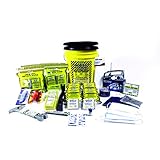
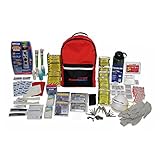
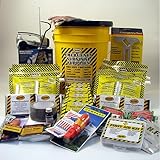
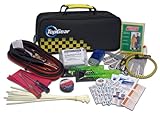
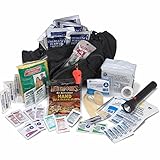
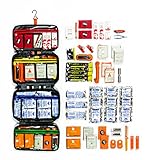
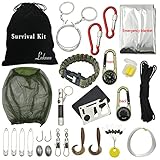
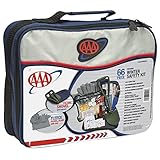
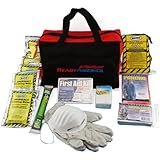
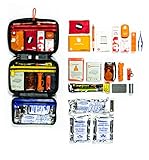
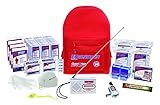
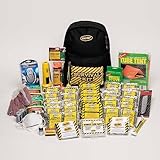
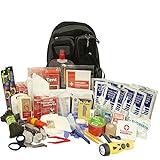
Emergency Kit




Legal Disclaimer: Product prices and availability are subject to change. Visit product listing page to read more details. Trade marks and images are copyrighted by their respective owners.

No comments:
Post a Comment